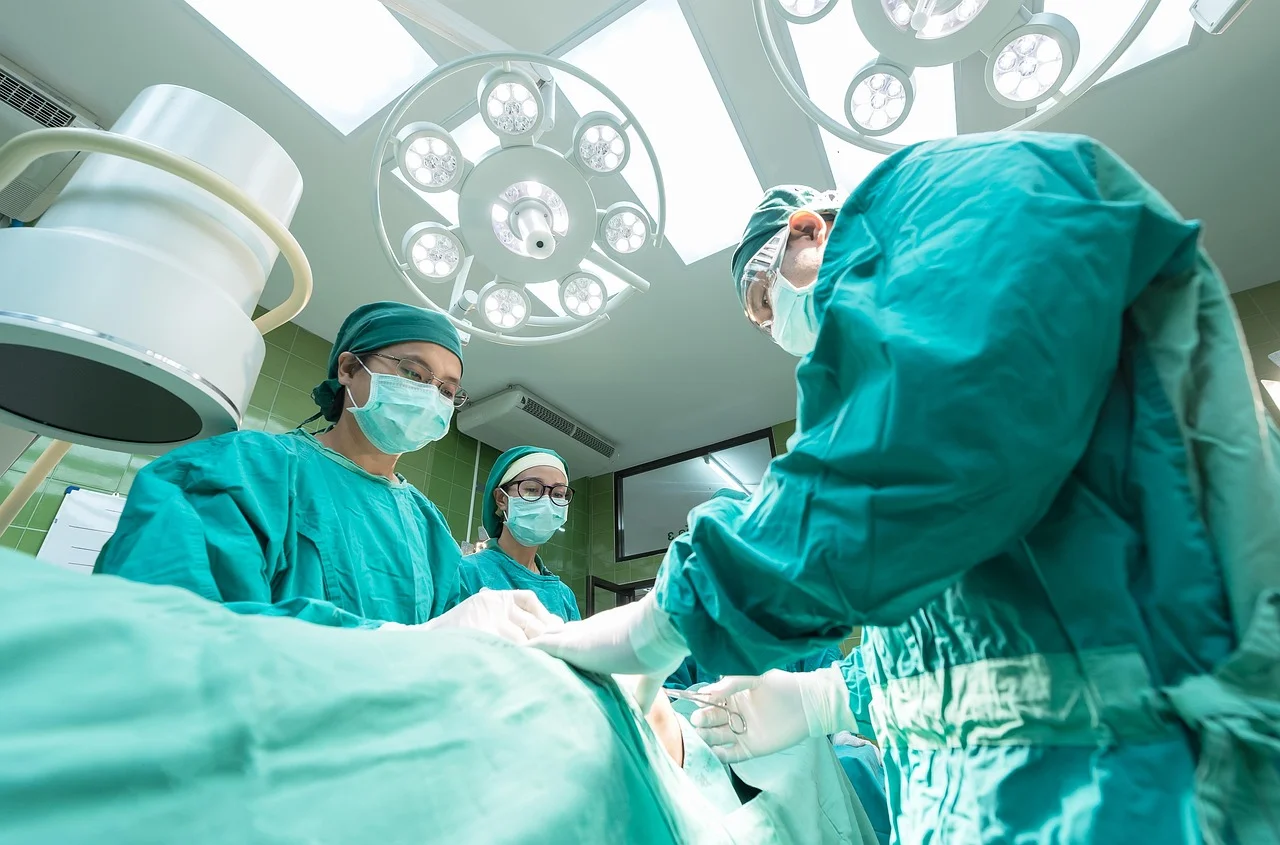
Intuitive Surgical (ISRG): the robot that turned surgery into a subscription
Intuitive Surgical clears both hard filters: ROE of 16.7% (FY2025) and a 3-year FCF CAGR of ~37.5% (FY2022–FY2025). With 11,395 da Vinci systems installed worldwide and procedures growing 16% in Q1 2026, 86% of revenue is now recurring. The stock has pulled back ~11% over the past month, compressing forward earnings to 39x — toward the low end of its three-year range — while the business fundamentals show no deterioration.

Intuitive Surgical clears both hard filters: ROE of 16.7% (FY2025) and a 3-year free-cash-flow CAGR of ~37.5% (FY2022–FY2025). With 11,395 da Vinci systems installed across hospitals worldwide and procedures growing 16% in Q1 2026, the company's installed base is now large enough that recurring instrument sales and service contracts drive 86% of total revenue — without shipping another robot. The stock is down about 11% over the past month from a broader market pullback, putting forward earnings at 39x, the lower end of where ISRG has traded over the past three years.
What the company actually does
Intuitive makes robotic-assisted surgical systems. Its flagship product, the da Vinci, lets surgeons operate through small incisions using wristed instruments controlled from a console — hands that never touch the patient directly. The result is less blood loss, shorter hospital stays, and faster recovery compared with open surgery on most procedures where the system is used.1
The company also sells Ion, a flexible robotic system for lung biopsies via bronchoscopy. Ion performed more than 140,000 biopsies in 2025 and grew procedures 39% year-over-year in Q1 2026.2 Ion is still small — 1,041 systems installed vs. 11,395 da Vincis — but it signals that Intuitive is building a multi-platform surgical robotics company, not a one-product story.
Revenue breaks into three buckets:
| Source | Q1 2026 revenue | Share of total |
|---|---|---|
| Instruments & accessories | $1.69B | 61% |
| Systems | $651M | 24% |
| Services | $434M | 16% |
| Total | $2.77B |
The instruments bucket grows with every procedure. Once a hospital installs a da Vinci, it buys Intuitive's proprietary instruments and accessories every time a surgeon uses it — and those instruments are designed to work only with Intuitive hardware.
Why ROE and FCF pass the filters
ROE of 16.7% in FY2025 looks modest relative to some of the names in this channel. But ISRG is equity-heavy and debt-free: it holds $7.98 billion in cash and investments against only $2.5 billion in total liabilities as of March 31, 2026.1 A company that earns 16.7% on equity that large — without leverage — is doing something structurally right.
Free cash flow tells the more compelling story. From $958 million in FY2022 to $2.49 billion in FY2025, FCF more than doubled in three years at a CAGR of roughly 37.5%.3 The driver is margin expansion on a recurring revenue base that keeps growing as the installed base adds procedures — not financial engineering.
The Q1 2026 earnings release provides the full revenue breakdown and procedure data:
Loading content card…
The moat: razor-and-blade, but the razor is a $1.5M robot
Intuitive's business model is harder to displace than it looks. A typical da Vinci 5 system sells or leases for well over $1 million. Once installed, a hospital has:
- Surgeons who trained specifically on da Vinci controls
- A credentialing ecosystem built around da Vinci procedures
- Years of outcome data tied to that platform
Switching to a competing system would require retraining every surgeon, rebuilding credentialing, and convincing administration to absorb another capital purchase. The academic literature on minimally invasive surgery outcomes is overwhelmingly built on da Vinci data.4 That evidence base takes a decade to rebuild on a new platform.
The installed base of 11,395 systems grew 12% year-over-year in Q1 2026, and each system generates recurring revenue for the next ten to fifteen years.1 From an economic moat perspective, 20 million patients have now been treated with da Vinci — that's the peer-reviewed dataset surgeons reference when they decide what system to train on next.2
The valuation: expensive, but not historically stretched
At roughly $409 per share, ISRG trades at:
- Forward PE: ~39x (based on FY2026 consensus EPS)7
- P/FCF (TTM): ~58x ($144B market cap / $2.49B FY2025 FCF)
- EV/sales: roughly 14x based on current revenue run rate
- Analyst consensus: 28 analysts, average price target ~$567–$585, implying 40%+ upside from current levels8
The 39x forward multiple is toward the low end of where ISRG has traded. Over the past three years the stock typically commanded 45–65x forward earnings; the pullback since late 2025 has compressed valuation without any deterioration in the business fundamentals. Q1 2026 was described by one buy-side analyst as "essentially flawless — virtually no room for criticism."9
The stock is not cheap on any absolute metric. But at 39x forward earnings for a business compounding FCF at 37% with a durable installed-base moat and no debt, the question is whether the growth rate justifies the multiple — not whether the multiple is high.
2026 guidance and what to watch
Management guided FY2026 da Vinci procedure growth of 13.5–15.5%.1 That guidance came after Q1 delivered 16% procedure growth, so the implied second-half deceleration builds in some conservatism. Non-GAAP gross margin guidance of 67.5–68.5% includes a ~100bps headwind from tariffs currently in effect — most of Intuitive's instruments are manufactured in Mexico and endoscopes in Germany.
The da Vinci 5 upgrade cycle is just starting: 232 of the 431 placements in Q1 2026 were dV5, the new-generation system with 10,000-procedure haptic feedback and an AI-powered hub. As the existing installed base of older-generation systems ages, those upgrades are the next revenue tailwind.
Key risks
Competition is real. Medtronic's Hugo robotic system is nearing FDA clearance.10 Johnson & Johnson's Ottava platform is also in development. Neither yet has Intuitive's installed base, training ecosystem, or clinical data depth — but in academic medical centers that want to negotiate on price, a credible alternative changes the dynamic.
Tariff exposure. Mexico manufacturing makes instruments vulnerable to the current tariff regime. Intuitive has absorbed this into guidance, but an escalation would compress margins further.
Valuation sensitivity. At 39x forward earnings, a guidance miss — even a modest one — can send the stock down 10–15% in a session. This is not a low-volatility name.
Capital requirements for da Vinci 5 upgrades. Hospital budgets are under pressure. Usage-based lease placements (118 of 243 lease placements in Q1 were usage-based) suggest some customers prefer to delay large upfront capital commitments. If hospital capital spending tightens, system placement growth could slow faster than procedure volume growth.
Bottom line: ISRG passes both hard filters — ROE of 16.7% and FCF CAGR of ~37.5% — on a business with a documented installed-base moat, 86% recurring revenue, and no debt. The current multiple at the lower end of its three-year range creates a more favorable entry point than the stock offered for most of 2023–2024. The primary risk is valuation compression in a market that reprices growth stocks rapidly, and near-term margin pressure from tariffs.
References
- 1Intuitive Q1 2026 Earnings Press Release
- 220 Million Patients Benefit from da Vinci Surgery Globally
- 3Intuitive Surgical FCF historical data
- 4Intuitive Surgical moat analysis, KoalaGains
- 5Pixabay operating room image
- 6Pixabay medical operation image
- 7ISRG Forward PE, GuruFocus
- 8ISRG Analyst Ratings, Benzinga
- 9Uncle Stock Notes, ISRG Q1 2026 Analysis
- 10Medtronic Hugo nears FDA clearance, LinkedIn
Add more perspectives or context around this Post.